

Potty Training a Puppy: Step-by-step Guide to Accidents-Free Living
Training your puppy to go potty outdoors is not only achievable but also crucial for maintaining your home’s cleanliness. With a steady routine and the right approach, you’ll find your puppy quickly associating a designated area with its needs. However, many overlook the importance of setting up a specific zone in their yard for this purpose. Remember, consistency is key to helping the little one understand faster and more effectively what the area is meant for. Let’s explore more about how to create that perfect potty zone.
The key to successful potty training for a puppy is consistency and supervision. By creating a routine schedule for potty breaks and closely monitoring your puppy’s behavior, you can effectively guide them towards proper elimination habits and reduce the likelihood of accidents indoors.
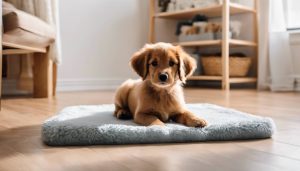
Setting Up a Potty Training Zone for Your Puppy
When it comes to potty training your puppy, having a dedicated spot for them to go eliminates confusion and helps them to understand where they should relieve themselves. Think of it as creating their personal bathroom. Just like humans, dogs crave consistency, so this designated area is vital in reinforcing the association between the outdoors and going potty.
This specific location, ideally in your yard, should be easily accessible and unchanging, fostering a clear connection in your puppy’s mind that this is their outdoor bathroom. This helps eliminate any confusion on where they are supposed to go and reduces accidents inside the house.
Visual Cues for Reinforcement
In addition to the location itself, visual markers like small flags or colorful stones placed within the designated area help create a sensory cue for your puppy. Dogs have an incredibly keen sense of smell, and these markers help reinforce the message that this spot is where they should relieve themselves. The scents of these items can serve as cues for your puppy to recognize their potty area.
Consistency in using visual cues is essential to guide and remind your puppy where they should go potty consistently.
As with all aspects of dog training, patience is key when introducing these new elements. Puppies won’t immediately understand what these markers mean, but with consistent reinforcement and prompting, they will begin to associate them with the potty area.
Establishing a Routine
Beyond just setting up a fixed location, having a consistent schedule for outdoor potty breaks is paramount to successful training. Your puppy’s age and breed play a role in determining how frequently they need to go out. As a general guideline, puppies commonly need to go outside after sleeping, playing, eating, and drinking. By aligning their break times with these activities, you’re setting them up for success by working with their natural biological rhythms.
For example, if you have a young puppy, it’s advisable to take them outside every 30–45 minutes during waking hours and gradually extend this interval as they grow older and gain better bladder control. By establishing this routine early on, you’re not only teaching your puppy good habits but also preventing accidents indoors.
Thus, by designating a specific spot for outdoor potty training and implementing visual cues along with consistent break times based on your puppy’s needs, you’re laying the foundation for successful potty training while fostering a strong bond with your furry friend.
Step-by-step guidelines for an Accident-Free Routine
Successfully potty training your puppy requires establishing a consistent routine and providing them with the necessary opportunities to relieve themselves in the appropriate place. Here are some important guidelines to follow to ensure an accident-free routine:
Step 1: Consistent Supervision
Consistent supervision is key to preventing accidents indoors. Keep a close eye on your puppy, especially after they eat or drink, as these are times when they are likely to need to go potty. By staying in the same room as your puppy and being vigilant for signs that they need to go, you can anticipate accidents and guide your puppy to the designated potty area.
It’s important to remember that puppies have limited bladder control and may not be able to hold it for long periods, so being aware of their behavior and cues is vital in preventing accidents.
Step 2: Regular Outdoor Trips
Taking your puppy outside frequently is essential for reducing the likelihood of accidents indoors. Puppies typically need to go outside every 30–60 minutes when they are awake and active, as well as shortly after meals. Gradually increasing the time between outdoor trips as your puppy becomes more reliable will help reinforce positive potty habits. Remember, consistency is key in this process. By sticking to a regular outdoor schedule and paying attention to your puppy’s cues, you’re helping them establish good bathroom habits while minimizing accidents inside the house.
Step 3: Scheduled Feeding and Water
Establishing a consistent feeding schedule for your puppy not only contributes to their overall well-being but also helps regulate their bathroom habits. Feeding your puppy at the same times each day, ideally splitting their meals into multiple small feedings, can make it easier for you to predict when they’ll need to go potty. For example, feeding your puppy three to four times a day can create regular intervals for bathroom breaks, making it easier for you to anticipate when they’ll need to go outside.
Step 4: Positive Reinforcement
Using positive reinforcement techniques, such as praise and treats, when your puppy successfully goes potty in the designated area can significantly aid in potty training. This encourages good behavior and reinforces the association between going potty outdoors and receiving rewards. Remember that patience and consistency are crucial when using positive reinforcement methods. By providing positive feedback each time your puppy eliminates the correct spot, you’re reinforcing the desired behavior and motivating them to continue using that area.
Step 5: Observation and Adaptation
Keep a close eye on your puppy’s behavior and patterns. If you notice any signs of restlessness, such as sniffing around, circling, or suddenly stopping play, it may indicate that they need to go potty. Understanding your puppy’s body language will help you anticipate their needs and prevent accidents before they occur.
Understanding how crucial these initial steps are to laying the groundwork for successful potty training sets the stage for exploring another powerful tool—crate training—to foster effective housebreaking.
Crate Training: An Effective Housebreaking Tool
Crate training is a beneficial method for teaching your puppy about boundaries and potty habits. It’s not just about confining your puppy; it’s about creating a positive environment where they feel secure and comfortable. When chosen and introduced correctly, a crate becomes a safe haven for your puppy, assisting in their housebreaking journey.
The first step is choosing the right crate. The crate should be just large enough for your puppy to stand up, turn around, and lie down comfortably. This size restriction encourages the puppy to “hold it” as they are instinctively averse to soiling their living space. Just like Goldilocks seeking the perfect porridge, the crate should provide a cozy fit without being too spacious or constricting.
The gradual introduction of the crate is equally crucial. Think of it as introducing a new friend to your puppy. Associating the crate with positive experiences, such as meals and treats creates a positive bond between the puppy and the designated space. This way, the crate ceases to be an object of confinement and transforms into a personal sanctuary. It’s essential to avoid using the crate as a form of punishment to ensure the puppy associates it with comfort rather than negative experiences.
As we smoothly transition from crate training essentials to potty training, let’s now explore another method often used in potty training—using potty pads—and delve into its pros and cons.
Implementing Positive Reinforcement Strategies
Positive reinforcement involves rewarding your puppy when it exhibits good behavior. This could be in the form of treats, verbal praise, or their favorite toy—anything that brings them joy. By doing this, you’re helping your pup associate going potty in the right place with a positive experience, making them want to repeat it.
The key is to be consistent with positive reinforcement. Just like how doing a sport makes you better at it, consistent positive reinforcement helps reinforce the desired behavior. When your puppy gets it right, make sure you praise and reward them every single time. This might take some time and patience since puppies are learning – just like we did when we were little.
As we navigate through the ropes of potty training a puppy, let’s now explore how to seamlessly integrate these strategies into your daily routine with our adorable four-legged friends.
Adapting Potty Training to Your Daily Life
Potty training a puppy is no small feat. It requires a keen understanding of your pup’s needs and the flexibility to adapt your daily routines accordingly. The goal is to seamlessly integrate potty breaks and training sessions into your day while maintaining a predictable schedule to set your puppy up for success.
Creating Predictable Routines
It’s essential to establish a consistent routine that aligns with both your schedule and your puppy’s needs. Just like us, puppies feel most secure when they know what to expect, so creating predictability around potty breaks creates a sense of security for them. One way to ensure success is by setting specific times for outdoor breaks. Consistency is key, so try to take your puppy out at the same times each day, such as early in the morning, after meals, before bedtime, and periodically throughout the day based on their age and breed. A predictable schedule helps you anticipate when your puppy needs to go, making it less likely for accidents to occur indoors.
It’s important to note: Regular outdoor trips also help your puppy learn that going potty outside is the right thing to do.
Fitting Training into Daily Activities
In addition to scheduled outdoor breaks, integrating training sessions into your daily activities can be incredibly beneficial. Think about how you can incorporate short training sessions into daily routines.
Moreover, while every puppy has unique needs and personalities, the primary goal here is not only to assist them with learning, but also to create a bond while teaching. Integrating potty training into daily life not only shapes your puppy’s behavior but also strengthens the bond between you and your furry friend.
Ready to say goodbye to accidents and hello to harmony? Call us at 704-508-9274 or contact Divine Canine Dog Training today to start your puppy’s training journey to a cleaner, happier home environment. Let’s make potty training a breeze together!
